Do Whitening Strips Harm Your Teeth? Understanding the Truth About Safe Whitening
Do you have concerns about potential harm to your teeth from using teeth-whitening strips? Learn how hydrogen peroxide works, the risks of overusing it, and why peroxide-free formulas offer a more secure and efficient solution for a whiter smile.

![]() What Are Whitening Strips and How Do They Work?
What Are Whitening Strips and How Do They Work?
Whitening strips are among the most popular at-home teeth-whitening techniques. After being coated in whitening gel, these thin, flexible strips adhere to your teeth. This gel gradually removes surface stains from common foods, coffee, tea, and wine.
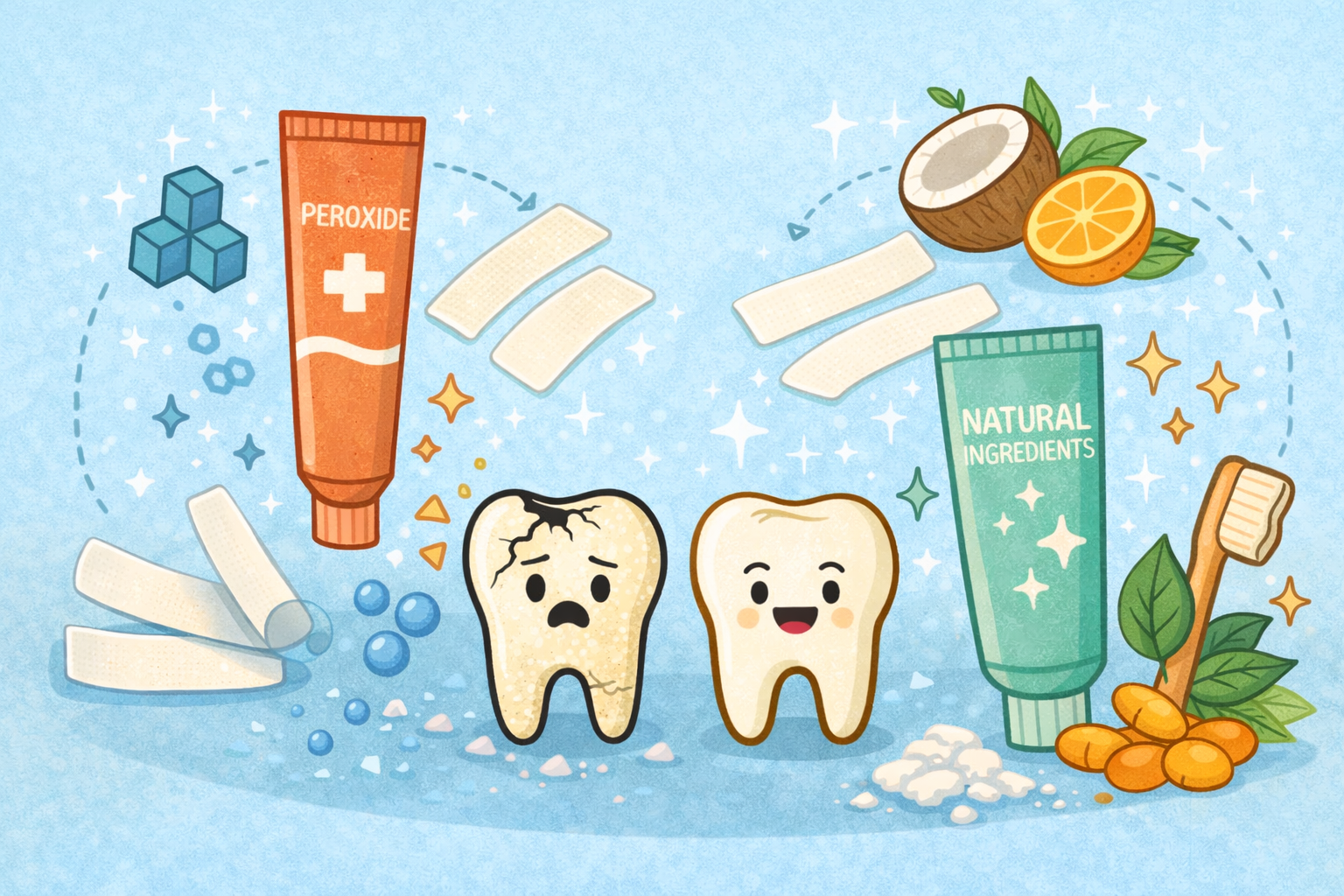
Most conventional whitening strips contain hydrogen peroxide or carbamide peroxide as their main active ingredients. These chemicals penetrate the enamel and react with discoloring pigments to effectively remove stains from the surface and immediately beneath it.
However, some contemporary formulas provide a kinder method of stain removal, such as those enhanced with coconut oil and bromelain. While the fruit-derived enzyme bromelain gently breaks down stain-causing proteins, coconut oil aids in the natural dissolution of plaque accumulation and surface discoloration.
Many people overlook the important question, despite the fact that they can produce noticeable results: How much does that brightness cost your gums and enamel?
The Role of Hydrogen Peroxide in Whitening
Hydrogen peroxide is the primary ingredient in most whitening solutions. This bleaching agent breaks down colored compounds on teeth to make them appear whiter by releasing oxygen molecules.
At lower concentrations, hydrogen peroxide can gradually lighten stains without causing harm. Dentists often recommend using 2–6% hydrogen peroxide for at-home use. Many commercial strips use higher concentrations to achieve faster results. At this point, the risks begin to escalate.
The Problem with High-Peroxide Whitening Strips
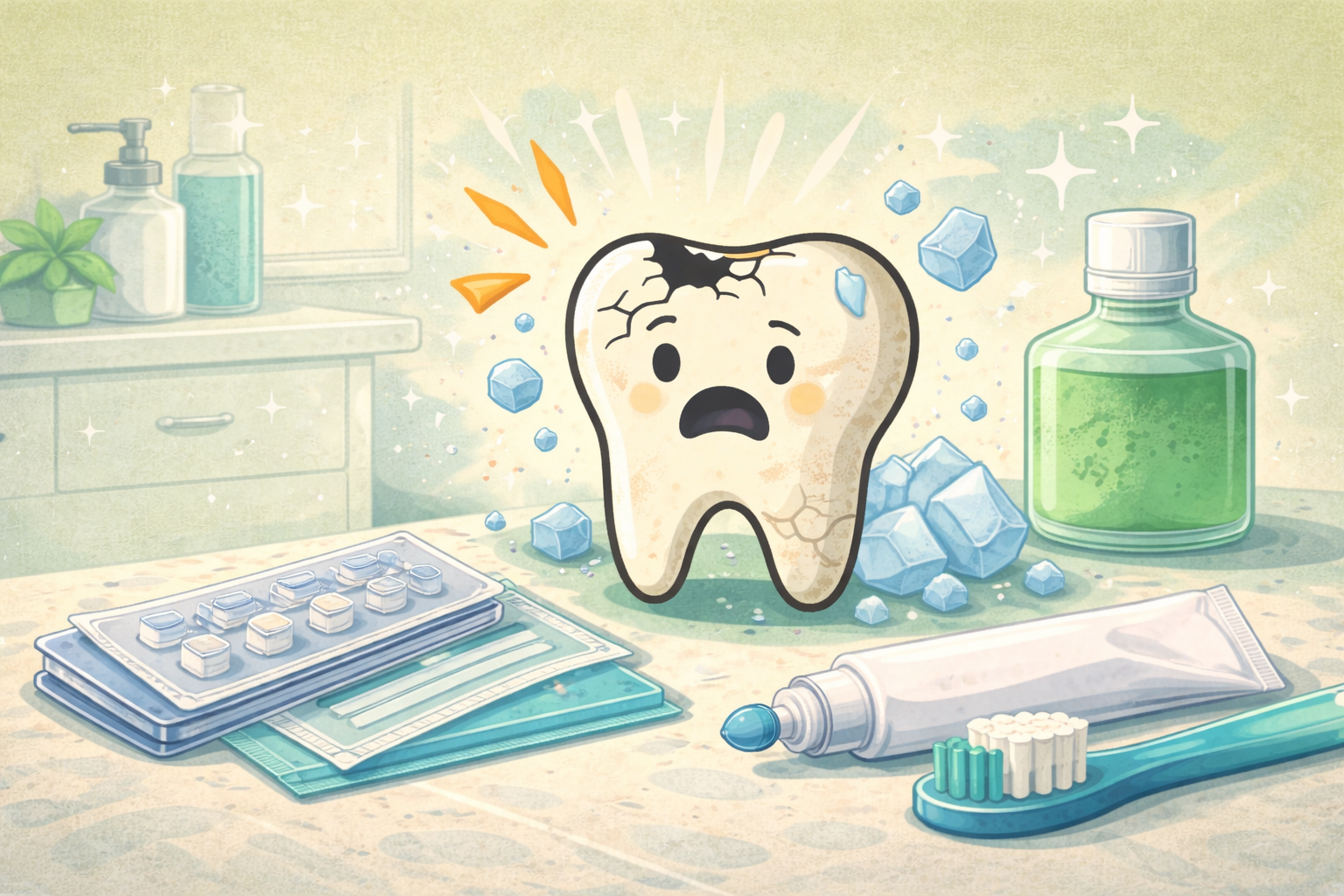
Although a quick white smile sounds good, higher concentrations of peroxide can harm the enamel, the protective layer of your teeth. This might ultimately lead to:
-
Tooth sensitivity: Nerve endings are exposed when peroxide dehydrates teeth, which can cause discomfort.
-
Gum irritation: Strong gels often irritate not just teeth but also soft tissues.
-
Enamel erosion: Prolonged exposure to harsh chemicals weakens enamel, making teeth more porous.
-
Unbalanced oral microbiome: Overuse can disturb the good bacteria in your mouth.
Misuse of peroxide-heavy strips, even for short periods of time, can cause sensitivity over time. If your teeth hurt when you drink something cold after teeth whitening, it's usually a sign that your enamel barrier is weak.
Finding Balance — How Lower Percent Hydrogen Peroxide Helps
Even with a lower hydrogen peroxide concentration, effective whitening can still be achieved, albeit more gradually and gently. This method prioritizes enamel health while reducing the likelihood of discomfort.
Lower peroxide formulas target surface stains over time rather than quickly bleaching deep layers. The effects are still discernible even though there is a decreased risk of gum irritation or enamel thinning.
If you want a long-lasting, sustainable whitening procedure, choosing options with a lower concentration or without peroxide helps maintain your oral health while still creating a naturally brighter smile.
Signs Your Whitening Strips Are Too Harsh
You ought to listen carefully to what you say. Some signs that your whitening strips may be too strong are as follows:
-
Severe discomfort when eating hot or cold food
-
Swollen or fading gums
-
White-spotted enamel
-
Chronic dry mouth or mouth ulcers
If you encounter these symptoms, speak with your dentist and stop using the strips. You may benefit from switching to a non-toxic, peroxide-free alternative.
Safer Alternatives to Harsh Whitening Strips

Modern dental care now includes wellness-based whitening, which prioritizes safe and efficient ingredients. Instead of using peroxide, these formulas use natural compounds to revitalize your smile and remove stains without irritating it.
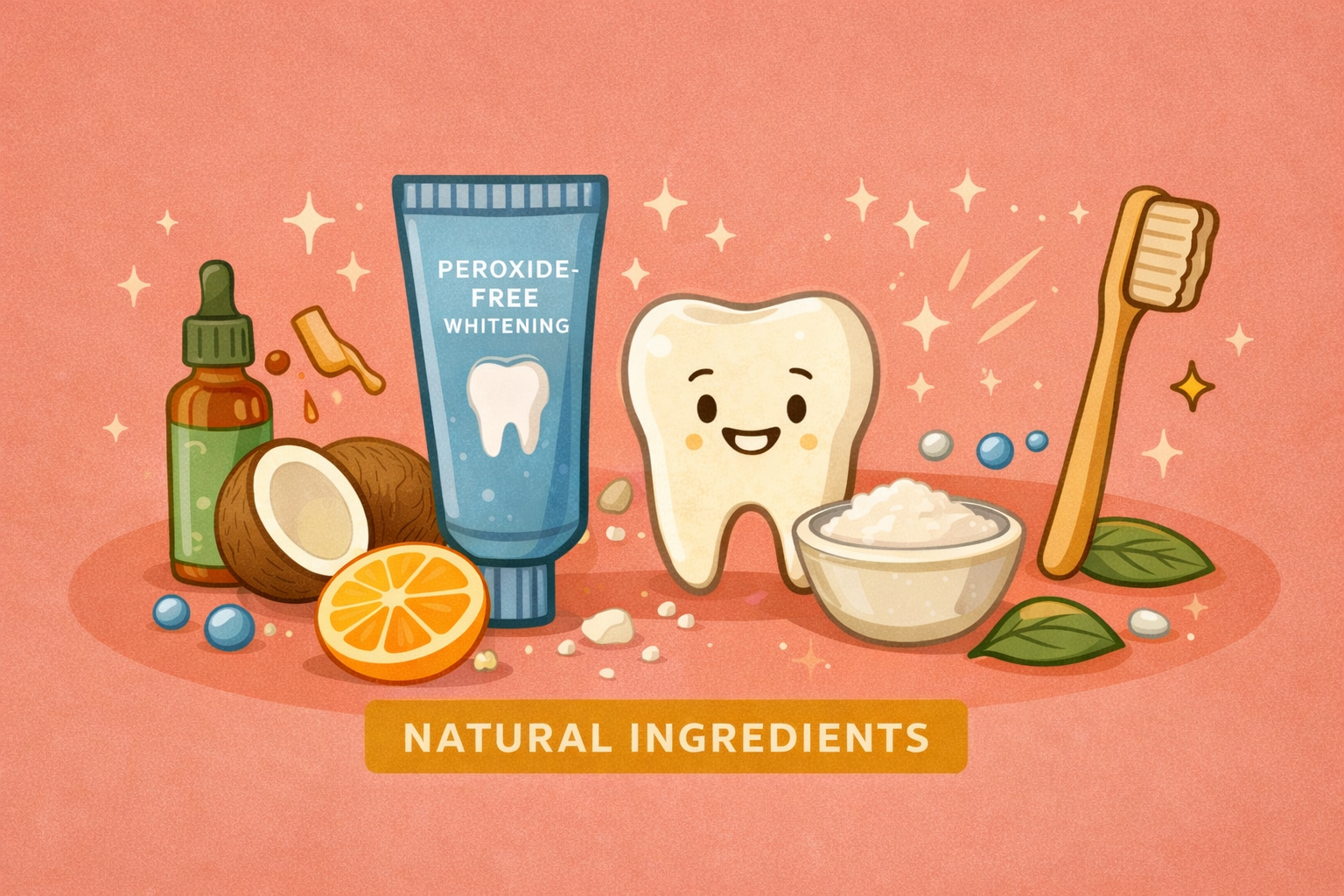
The Power of Natural Ingredients in Whitening
Several natural substances can whiten teeth without causing enamel damage:
-
Known for its antimicrobial properties, coconut oil helps remove plaque and stains from surfaces naturally.
-
White turmeric: A strong antioxidant that brightens and lowers inflammation.
-
Bromelain, an enzyme found in pineapples, gently breaks down stain-causing proteins.
-
Rich in minerals, Dead Sea salt helps remineralize the mouth and maintains a healthy pH range.
When combined, these ingredients bring back brightness without the burning that peroxide-based bleaches do.
Why Oral Health Comes Before Whitening
When your teeth are healthy, whitening is most effective. Cavities, gum inflammation, or damaged enamel could be made worse by any teeth-whitening procedure. Prioritize regular dental exams, brushing, and flossing before starting a whitening program.
Even if you don't whiten your teeth, they will appear brighter naturally when they are strong and clean because healthy enamel reflects light better.
Everyday Habits That Affect Tooth Color
To maintain your results, cut back on the following stain-causing behaviors:
-
Regularly drinking red wine, tea, or coffee
-
Smoking or vaping
-
Inefficient technique for brushing
-
Acidic foods that damage enamel
Reducing tooth contact can also be achieved by using a straw and sipping water between staining beverages.
Choosing a Gentle Whitening Routine That Works
For long-lasting effects, consistency is more crucial than intensity. Select teeth-whitening products that are safe to use frequently. Include them in a healthy oral hygiene routine that also includes gentle brushing, a balanced pH, and remineralizing toothpaste.
SAINT’s Gentle Whitening Approach
If you're looking for a non-toxic, peroxide-free whitening solution, SAINT Whitening Strips offer a more hygienic and enamel-friendly alternative.
Each pack includes natural cleansing and brightening ingredients (like coconut oil, white turmeric, bromelain, and Dead Sea salt) that don't cause sensitivity.
They are a thoughtful alternative for those who want to whiten their teeth without compromising their oral health.
Final Thoughts
Whitening strips don't have to harm your teeth, depending on the recipe and method of application. Higher hydrogen peroxide concentrations can damage gums and enamel, but lower or peroxide-free concentrations offer a safer, more effective path to a brilliant smile.
Instead of viewing teeth whitening as a band-aid fix, think of it as part of your overall health routine. When you use gentle ingredients and prioritize oral health, your smile will naturally show that you care for it.
FAQs About Whitening Strips
1. Can whitening strips damage my enamel?
Yes, strips with high hydrogen peroxide levels can weaken enamel over time. Always choose mild or peroxide-free options to protect your teeth.
2. Are peroxide-free whitening strips effective?
Yes. Natural ingredients like coconut oil and bromelain can gently lift stains over time, providing safe and steady whitening.
3. Why do whitening strips make my teeth sensitive?
Sensitivity usually occurs when peroxide penetrates too deeply or dehydrates enamel. Switching to a gentler formula helps.
4. How often should I use whitening strips?
For most people, 2–3 times a week is sufficient. Always follow the brand’s specific instructions and avoid overuse.
5. Can I use whitening strips with fillings or veneers?
Whitening strips only affect natural tooth enamel. They won’t lighten restorations, so it’s best to consult your dentist first.
6. How can I maintain my whitening results naturally?
Brush with a remineralizing toothpaste, floss daily, and limit dark-colored beverages. Regular dental cleanings also help maintain brightness.