Sensitive Teeth After Whitening? Here’s How to Fix It Fast
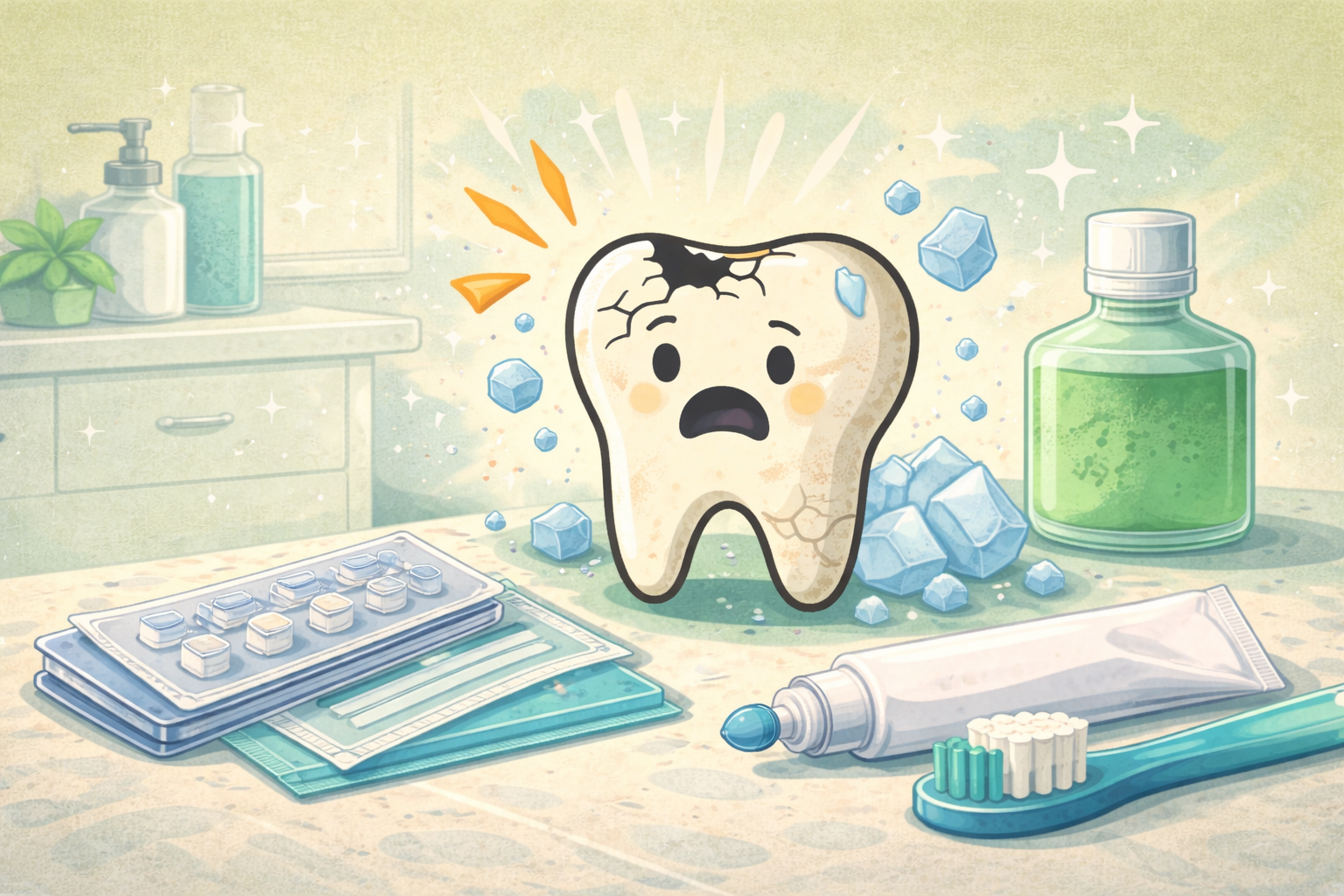
Many people find that the sensitivity that follows is a painful surprise, even though teeth whitening can immediately boost your confidence. That sudden "zing" from cold water or even air is more than just uncomfortable; it's a cry for some TLC for your enamel.
Don't worry, though; sensitivity after teeth whitening is common and completely avoidable. You can swiftly and safely restore your smile's comfort with the appropriate method.
Let's look at the reasons behind it and the most effective ways to rapidly relax your teeth.
Why Teeth Feel Sensitive After Whitening

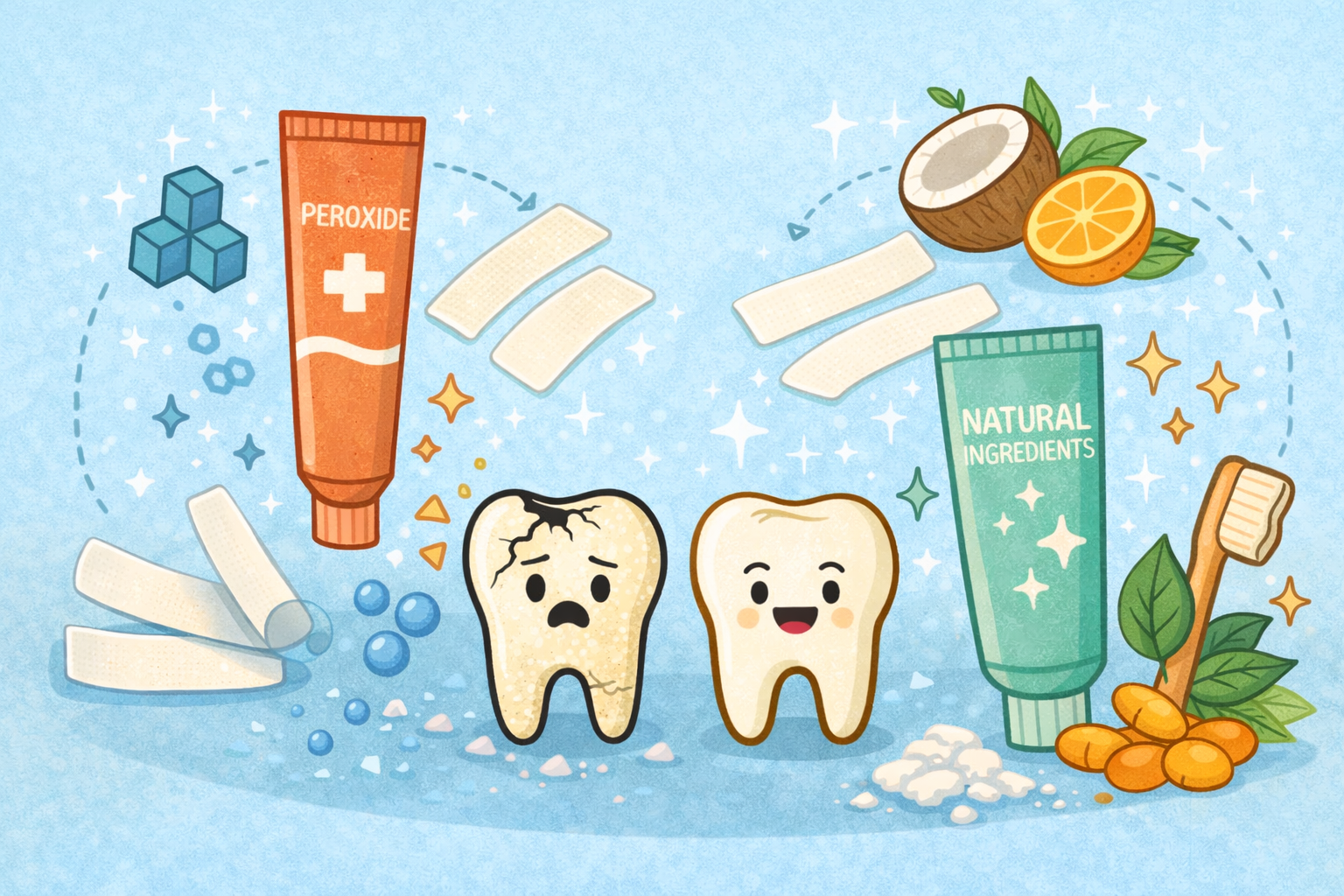
When you whiten your teeth, whether professionally or at-home, your enamel becomes momentarily more porous. This makes it possible for whitening agents like hydrogen peroxide or carbamide peroxide to penetrate and remove stains.
The issue is that the microscopic dentinal tubules beneath the enamel can be seen through those same substances. These tiny channels go directly to the nerves in the tooth, giving you a sudden, sharp jolt when you eat something hot or cold.
Often, post-whitening sensitivity is brought on by:
-
Overuse of bleaching agents or high levels of peroxide
-
Existing gum recession or enamel erosion
-
Disregarding post-whitening remineralization maintenance
The good news? With proper care, these side effects can be avoided and are only temporary.
1. Switch to a Remineralizing Toothpaste

The first and quickest way to lessen sensitivity is to switch to a toothpaste that helps rebuild enamel.
Instead of using abrasive whitening solutions, look for ones that contain nano-hydroxyapatite, a mineral that fills in small cracks and mimics your natural tooth enamel.
Try this:
Saint Oral Health's Toothpaste's blend of coconut oil, aloe vera, and nano-hydroxyapatite is perfect for naturally repairing enamel and lowering sensitivity. It is fluoride-optional, mild enough for daily use, and clean.
2. Avoid Hot and Cold Foods (Temporarily)
After whitening, your enamel requires some downtime. Extremes in temperature, such as hot coffee or ice water, can cause nerve pain.
Eat and drink only lukewarm foods and beverages for 48 hours after teeth whitening. Instead of iced drinks, try smoothies, soups, or room temperature water.
3. Make use of a toothbrush with soft bristles.
Although it may seem easy, your toothbrush has a big impact. Hard bristles can irritate delicate gums and erode enamel.
Choose an electric brush with a sensitivity setting or one with soft bristles. To get clean teeth, brush gently; vigorous scrubbing is not necessary.
4. Rinse with a Mineral-Rich Mouthwash
Avoid the abrasive, irritating mouthwashes that contain alcohol. Instead, use one that replenishes minerals and soothes irritation.
Look for ingredients like xylitol, calcium, or aloe vera. These soothe soft tissue and fortify your enamel barrier.
5. Choose Gentle Whitening Techniques
When it comes to teeth whitening, moderation and mindfulness are essential. If you use harsh peroxide formulas or overwhiten your enamel, it may eventually become more sensitive.
Use whitening products with non-toxic, peroxide-free formulas that gently lift stains rather than removing enamel. Look for organic ingredients like Dead Sea salt, white turmeric, coconut oil, and bromelain that have both calming and energizing properties.
These ingredients work together to remove surface stains and nourish your gums and enamel. They are safe enough for frequent use and provide a radiant white smile without causing irritation or discomfort. Sometimes a more natural approach can offer longer-lasting brightness and less sensitivity.
6. Restore Comfort with Natural Soothing Ingredients
If you become sensitive after whitening, go for plant-powered soothing care instead of harsh chemical gels. Ingredients like coconut oil help hydrate and protect the gums, while the naturally occurring enzyme bromelain gently removes plaque and buildup that may irritate them.
White turmeric's calming and anti-inflammatory properties help to heal enamel, while Dead Sea salt helps to rebalance minerals for stronger, more resilient teeth. These elements work together to create a restorative, revitalizing oral environment that reduces discomfort and keeps your smile healthy and clean.
It's crucial to stay consistent; by choosing formulas that are naturally restorative, you can lessen sensitivity faster and avoid more discomfort.
7. Maintain a Consistent Dental Care Schedule
Consistency is more important for healing sensitivity than intensity. Maintain a gentle, well-rounded dental hygiene regimen:
-
Use a remineralizing toothpaste twice a day.
-
Once a day, gently floss.
-
Use a natural, calming mouthwash.
-
While you're recuperating, stay away from acidic beverages like soda and citrus juices.
Your teeth will eventually regain their inherent resilience if you keep feeding your enamel.
How Saint Oral Health Supports Sensitive Smiles
Saint Oral Health's Toothpaste is made for when your mouth needs extra care. Because of its plant-based, SLS-free formula, it cleans effectively without irritating skin. Crucial elements of relaxation include:
-
Nano-hydroxyapatite: Repairs enamel and lessens nerve exposure
-
Coconut oil: Naturally moisturizing and antimicrobial
-
Aloe vera: Promotes tissue repair and lessens irritability
It is the best daily defense against post-whitening sensitivity because it restores comfort while preserving your smile's natural brightness.
When to See a Dentist

If your sensitivity gets worse over time or lasts longer than a week after teeth whitening, it's best to consult your dentist. Persistent pain could be a sign of:
-
An enamel deterioration or cavity
-
Gum recession that exposes the tooth roots
-
Whitening damage from excessive use
A professional evaluation ensures you get the right treatment before the issue deepens.
Final Thoughts
After teeth whitening, sensitive teeth don't have to ruin your gorgeous smile. With the right care, careful brushing, remineralizing toothpaste, and wise habits, you can quickly restore comfort and protect your enamel over time.
Remember that rather than being uncomfortable, whitening should be empowering. If you treat your smile with kindness, it will come naturally every day.
Additionally, if you wish to get rid of sensitivity, consider using toothpaste from Saint Oral Health, which is a clean and natural solution for stronger enamel and healthier teeth.
FAQs
1. Why do my teeth hurt after whitening?
The whitening agents can make enamel porous, exposing the nerves underneath. This temporary effect usually fades within a few days.
2. How long does sensitivity last after whitening?
Mild sensitivity typically lasts 24–72 hours. Using remineralizing toothpaste can shorten this period significantly.
3. Can I still brush my teeth after whitening?
Yes, but wait at least 30 minutes and use a soft-bristled brush with gentle pressure to avoid irritation.
4. Does wellness toothpaste help with sensitivity?
Absolutely. Formulas like Saint Oral Health’s Wellness Toothpaste with nano-hydroxyapatite help rebuild enamel and soothe discomfort naturally.
5. Should I stop whitening if my teeth are sensitive?
Pause your treatments for a few days. Once your sensitivity improves, you can resume using lower-strength or natural whitening options.
6. Are natural remedies effective for sensitivity?
Yes, ingredients like aloe vera, coconut oil, and baking soda can reduce inflammation and balance mouth pH when used consistently.