The Secret to Long-Lasting Fresh Breath (It’s Not Mouthwash)
Mouthwash is the first thing that many people think of when they want to maintain fresh breath. However, most conventional mouthwashes have the unintended consequence of gradually worsening bad breath.
Achieving oral balance is the true key to consistently fresh breath, not a quick rinse. Let's look at the true causes of odor, why traditional mouthwash often doesn't work, and how a natural, comprehensive approach can provide you with long-lasting freshness and daily confidence.
Why Mouthwash Isn’t the Long-Term Solution
Mouthwash initially gives you a minty, "clean" feeling, but most formulas use alcohol and artificial ingredients to mask odors temporarily rather than addressing the underlying cause.
Mouthwash that contains alcohol can:
-
Dry out your mouth: Saliva, your body's natural defense against bacteria, is diminished by alcohol.
-
Disrupt the oral microbiome: The natural equilibrium of your mouth is upset when harsh chemicals eliminate both beneficial and harmful bacteria.
-
Produce rebound odor: Odor-causing bacteria proliferate more rapidly when saliva flow is reduced, which exacerbates your breath a few hours later.
Restoring and maintaining oral balance requires more than just covering up the issue; it starts with understanding what's actually happening in your mouth.
The Hidden Culprit: Tongue Bacteria
Millions of bacteria, both beneficial and harmful, live on your tongue. As food particles and debris settle in its tiny grooves, bacteria start to produce sulfur compounds, which give off that familiar bad breath odor.
These areas are frequently overlooked by brushing alone, which is why tongue cleaning is so crucial. Without the use of chemicals, you can quickly freshen your mouth and get rid of odor-causing buildup by using a medical-grade tongue scraper.
Dehydration and Diet: The Breath Connection
One of the main causes of foul breath is dry mouth. Bacteria flourish when there is insufficient saliva, which can be caused by drugs, caffeine, or just not drinking enough water.
In a similar vein, diets heavy in processed foods, sugar, or dairy can change your oral microbiota and cause unpleasant odors.
Easy methods to increase freshness:
-
Drink plenty of water throughout the day.
-
After eating, rinse your mouth with water.
-
Select foods like apples, parsley, and leafy greens that naturally freshen breath.
Just as important as what you use to brush your teeth is how you feed your body as a whole. The first breath comes from within.
Natural Antimicrobial Agents That Restore Oral Balance
Nature provides powerful tools for maintaining a balanced, clean mouth without the dryness or disruption that chemical mouthwashes cause.
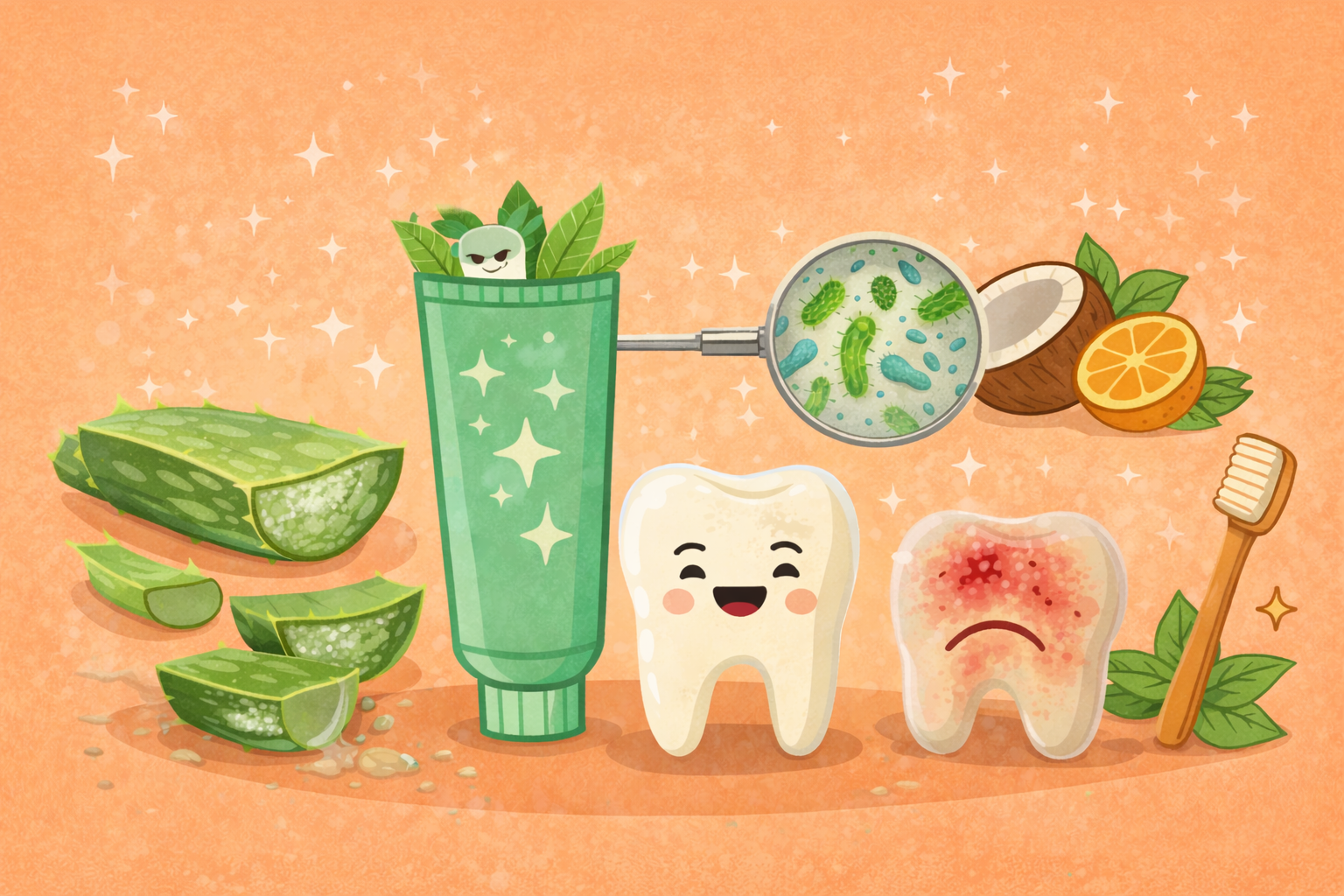
Coconut oil: known for its antimicrobial properties, it helps to eliminate harmful bacteria and moisturizes your mouth.
A plant-based sweetener called xylitol balances pH and reduces plaque, which lessens the environment in your mouth for bacteria that cause odor.
Tea tree oil and aloe vera both offer gentle, all-natural cleansing and relieve sensitive gums.
All of these ingredients are found in Saint Mint Toothpaste, which combines coconut oil, xylitol, tea tree oil, aloe vera, and nano-hydroxyapatite to support the oral microbiome and strengthen enamel.
This toothpaste is made by a dentist and contains no fluoride, so your mouth will stay healthy and your breath will be naturally fresh throughout the day.
Building a Holistic Breath-Freshening Routine

Fresh breath isn’t about one product, it’s about a consistent, balanced routine that supports your mouth’s natural ecosystem. Here’s how to do it the right way:
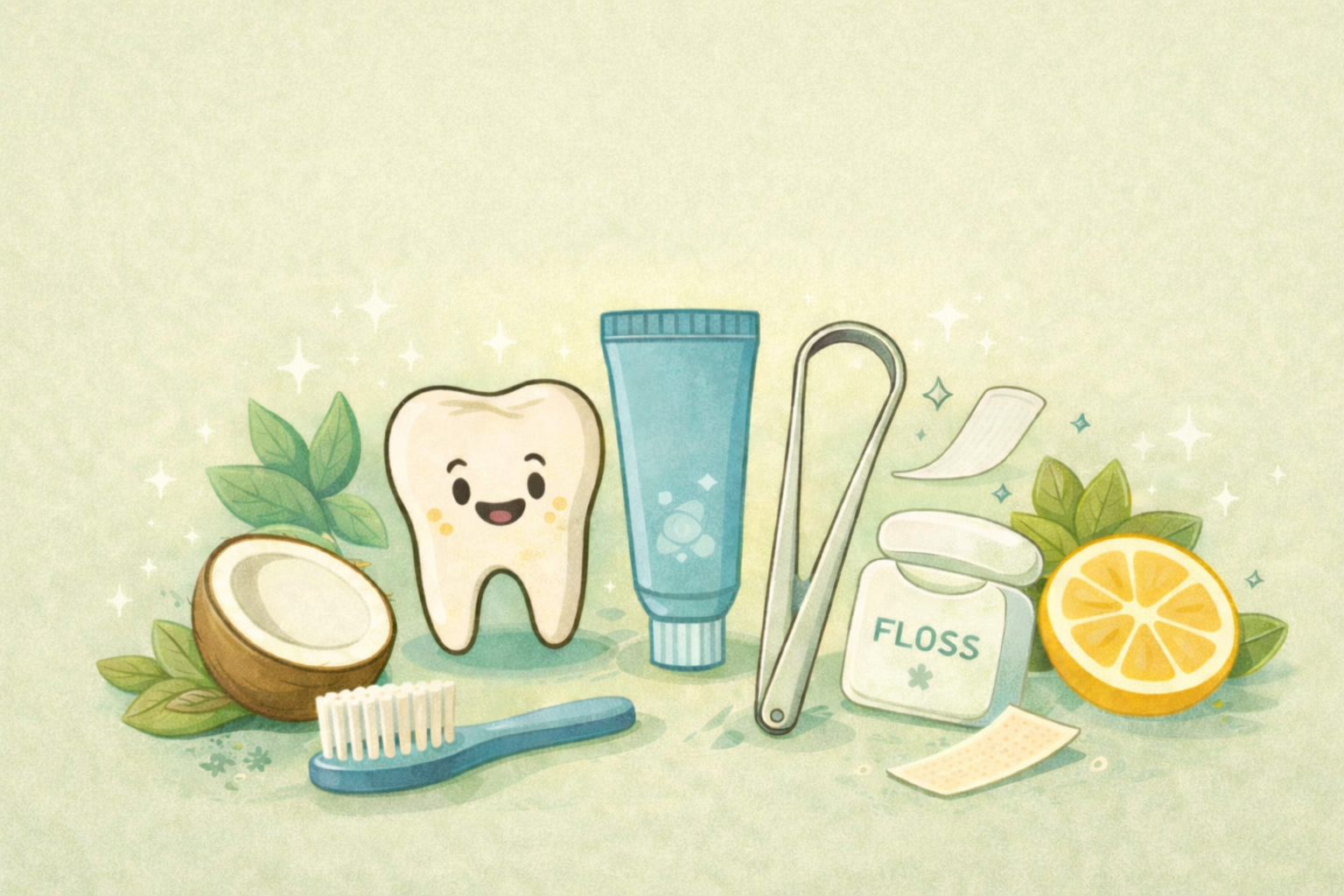
1. Brush with PurposeUse a microbiome-safe toothpaste twice daily. Its gentle, plant-based ingredients clean deeply without stripping away beneficial bacteria.
2. Floss Daily
Bacteria love to hide between your teeth. Use Floss that is infused with coconut oil and xylitol to remove debris and maintain a clean environment that discourages odor.
3. Clean Your Tongue
Add the Tongue Scraper to your morning routine to remove odor-causing buildup and promote a balanced mouth.
4. Hydrate Regularly
Water is your best natural mouthwash. Sip throughout the day to keep your saliva flowing and bacteria in check.
5. Support Your Oral Microbiome
Choose products free from alcohol, sulfates, and parabens. A balanced microbiome means longer-lasting freshness without dryness or irritation.
6. Freshen on the Go
For quick touch-ups, Saint Whitening Strips offer a clean, non-toxic boost to your smile. Made with white turmeric, bromelain, and coconut oil, they brighten without harsh chemicals and leave your breath subtly fresh.
Why Natural Freshness Lasts Longer
Unlike alcohol-based mouthwashes, natural oral care supports the whole ecosystem of your mouth. When your saliva is healthy, your tongue is clean, and your microbiome is balanced, your breath stays fresher for longer, naturally.
This approach doesn’t just cover up odor; it prevents it from forming in the first place. Over time, you’ll notice not only fresher breath but also stronger teeth, healthier gums, and a more radiant smile.
Final Thoughts
Long-lasting fresh breath isn’t found in a bottle of mouthwash; it’s built through mindful, natural care. By focusing on oral balance, hydration, and clean ingredients, you can enjoy all-day freshness that feels as good as it smells.
Saint’s collections, from Mint Toothpaste and Floss to the Isetwald Tongue Scraper, make it effortless to create a routine that’s good for you and your smile.
Because true freshness doesn’t come from masking, it comes from maintaining.
FAQs
1. Why does mouthwash make my breath worse after a few hours?
Because most mouthwashes contain alcohol, they dry out your mouth and disturb its natural bacterial balance, leading to rebound odor once the minty flavor fades.
2. What’s the best natural way to keep breath fresh?
Use a microbiome-safe toothpaste like Saint Mint Toothpaste, clean your tongue daily, floss, and stay hydrated. Together, these steps target the cause of bad breath, not just the symptoms.
3. How often should I clean my tongue?
Every day! A few gentle scrapes with a stainless-steel tongue scraper each morning can dramatically improve breath freshness.
4. Does hydration really affect my breath?
Absolutely. Saliva is nature’s way of cleansing your mouth. Staying hydrated helps flush out bacteria and maintain a healthy pH balance.
5. Can diet influence breath odor?
Yes. Foods rich in sugar and dairy can promote bacterial growth. Opt for fresh, fibrous foods and drink plenty of water for natural freshness.
6. Are Saint's products suitable for sensitive mouths?
Yes. All Saint's products are formulated to be non-toxic, gentle, and microbiome safe, ideal for sensitive teeth and gums.