Why Your Teeth Are Still Yellow Even After Brushing Every Day
Brushing your teeth every morning and night should keep them white, right? But for many people, a yellow tint remains despite their consistency. Actually, brushing isn't always enough. A variety of factors, including your diet, enamel thinning, and the toothpaste you use, can impact the brightness of your smile.
Let's look at the science behind why your teeth continue to turn yellow despite daily brushing and how wellness-focused oral care can improve your teeth's appearance.

Understanding Tooth Color: Beyond the Surface
Your teeth are naturally off-white to light yellow in color rather than entirely white due to the dentin that sits beneath the enamel. Over time, both internal and external factors can weaken this natural tone, making your smile appear less radiant.
It's important to know whether the discoloration is coming from internal or external stains.
External Stains: Common Reasons
External stains are surface-level discolorations caused by foods, drinks, and everyday exposures to your teeth.
Common Reasons:
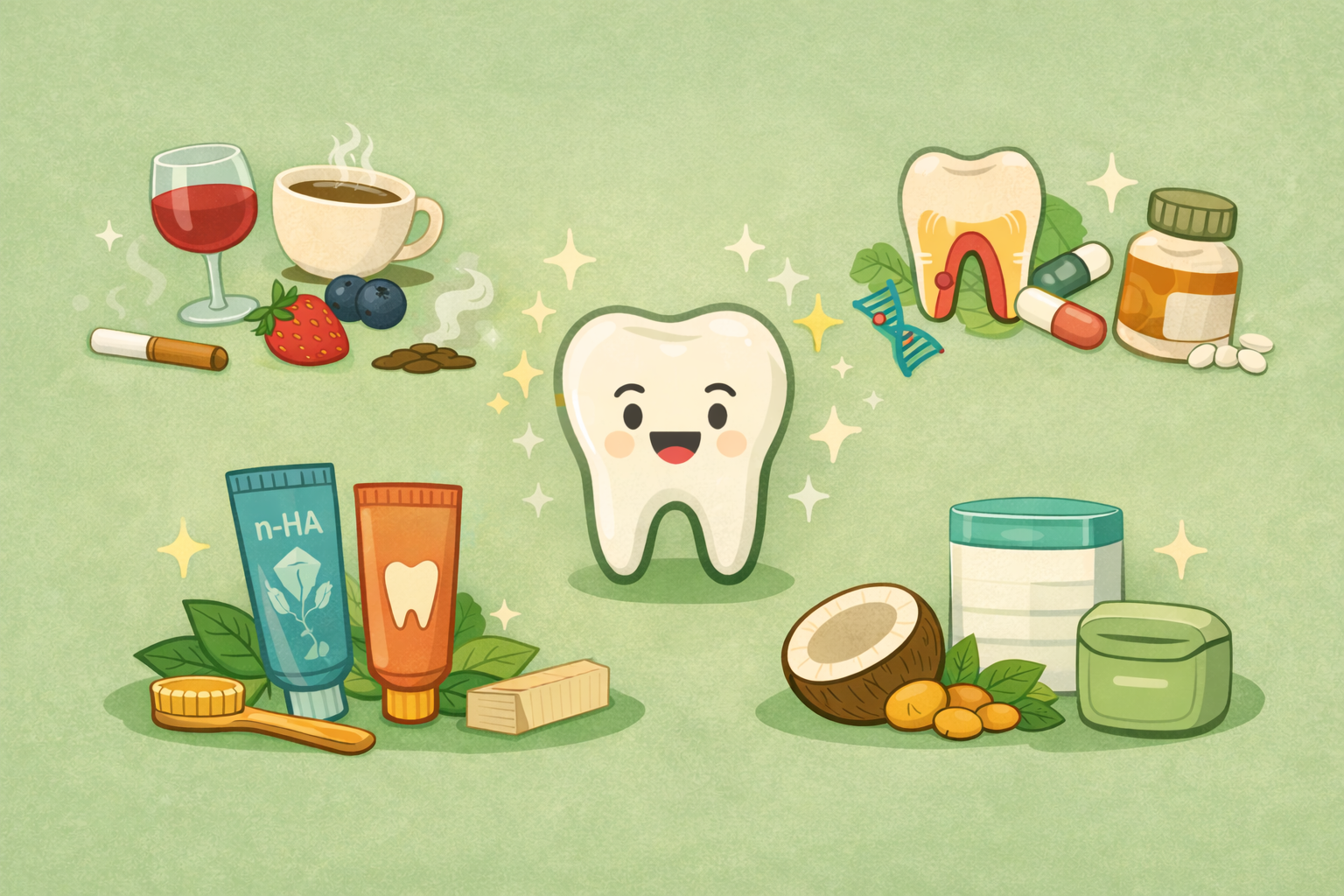
- Tannins are plant-based compounds that adhere to enamel and gradually darken it; they are found in red wine, tea, and coffee.
- Colored foods: Berries, curry, and sauces can gradually discolor your teeth.
- Smoking and Vaping: Nicotine and tar damage enamel, resulting in long-lasting yellow or brown discolorations.
Even if you brush twice a day, these pigments can build up in the microscopic pores of your enamel.
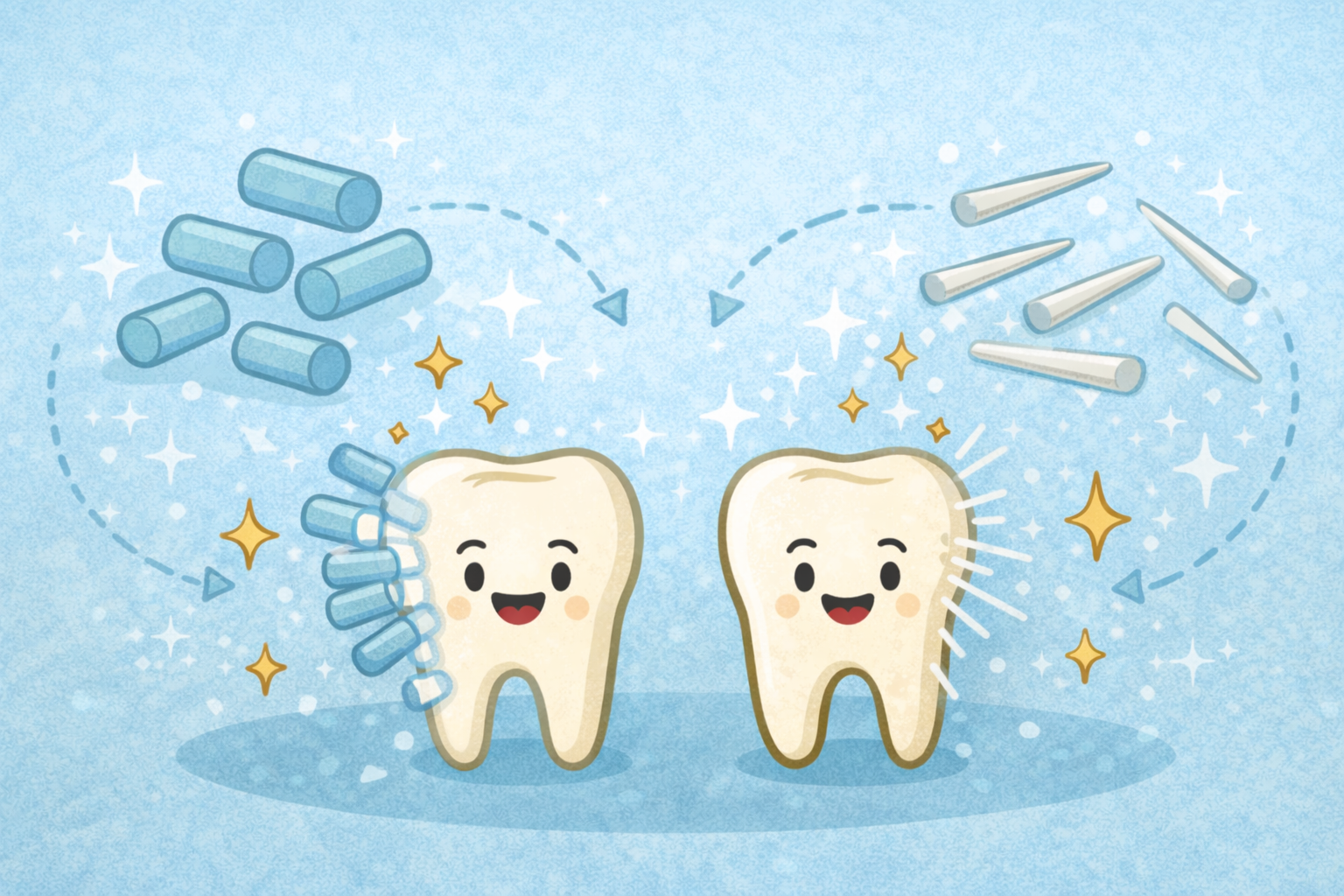
SAINT Tip: A toothpaste formulated with nano-hydroxyapatite (n-HA), like SAINT Mint Toothpaste, can help remineralize enamel and gently polish away surface stains. For deeper whitening, peroxide can also be a safe and effective option when used at the right concentration and as directed.
Internal Discoloration: Beneath the Enamel
Yellowing can occasionally be caused by something happening underneath your enamel rather than the state of your enamel itself.
Common Internal Components:
- Enamel thinning: As enamel ages or is exposed to acids, the yellow dentin beneath becomes more noticeable.
- Genetics: Some people have thinner or more transparent enamel by nature.
- Fluoride overexposure or certain medications: In some cases, excessive fluoride exposure during tooth development or certain medications can affect tooth color from within.
This kind of discoloration cannot be removed by surface brushing alone; remineralization and stain-safe whitening support are required.
Why Brushing Isn’t Always Enough
Brushing offers mechanical cleaning by physically eliminating food particles and plaque. Discolorations and chemical stains that stick to your enamel, however, are not treated by it.
Mechanical vs. Chemical Cleaning

-
Mechanical (brushing)
Physically scrubs plaque and debris
Surface buildup
-
Chemical (whitening & remineralization)
Breaks down or lifts deep stains
Pigmentation and internal discoloration
Therefore, a wellness-based approach that incorporates mechanical brushing and safe, chemical whitening support yields the best results.
How pH, Diet, and Enamel Wear Influence Brightness
The look and feel of your enamel are greatly influenced by the pH of your mouth. Acidic foods and drinks, like vinegar, soda, and citrus, cause enamel erosion and lower pH. Over time, this makes it easier for stains to adhere.
To counteract acids and stop enamel erosion, use an alkaline toothpaste with a balanced pH. This creates an environment that keeps your teeth strong, bright, and smooth when combined with remineralizing minerals like calcium and n-HA.
The Truth About Whitening Myths
Let’s clear up a few misconceptions that can do more harm than good:
Myth 1: Whitening toothpaste with bleach is always the best option.
Peroxide-based whitening can be safe and effective when properly formulated, but some people may experience sensitivity depending on the concentration and how often it is used. Gentle whitening ingredients like coconut oil, white turmeric, and nano-hydroxyapatite can also help brighten the smile while supporting enamel health.
Myth 2: Brushing harder removes stains faster.
Aggressive brushing wears down enamel, making your teeth more yellow over time.
Myth 3: Natural DIY remedies like lemon or baking soda are safe daily.
While natural, they’re too abrasive or acidic for everyday use.
Choose dentist-approved, non-toxic whitening solutions that work with your enamel, not against it.
Dentist-Approved Ways to Brighten Safely
If you’re aiming for a brighter smile without harming your enamel, focus on consistency, not harshness.
1. Use remineralizing toothpaste daily
SAINT Mint Toothpaste (fluoride or fluoride-free) strengthens enamel, balances pH, and gently removes stains. Its nano-hydroxyapatite formula mimics the tooth’s natural mineral structure.
2. Add gentle whitening treatments. SAINT Whitening Strips combine coconut oil, white turmeric, and bromelain to help lift stains while being suitable for sensitive teeth.
3. Floss and clean your tongue daily
Use SAINT Floss to remove buildup between teeth and Isetwald Tongue Scraper to eliminate odor-causing bacteria, both essential for a truly bright, fresh smile.
4. Rinse and refresh
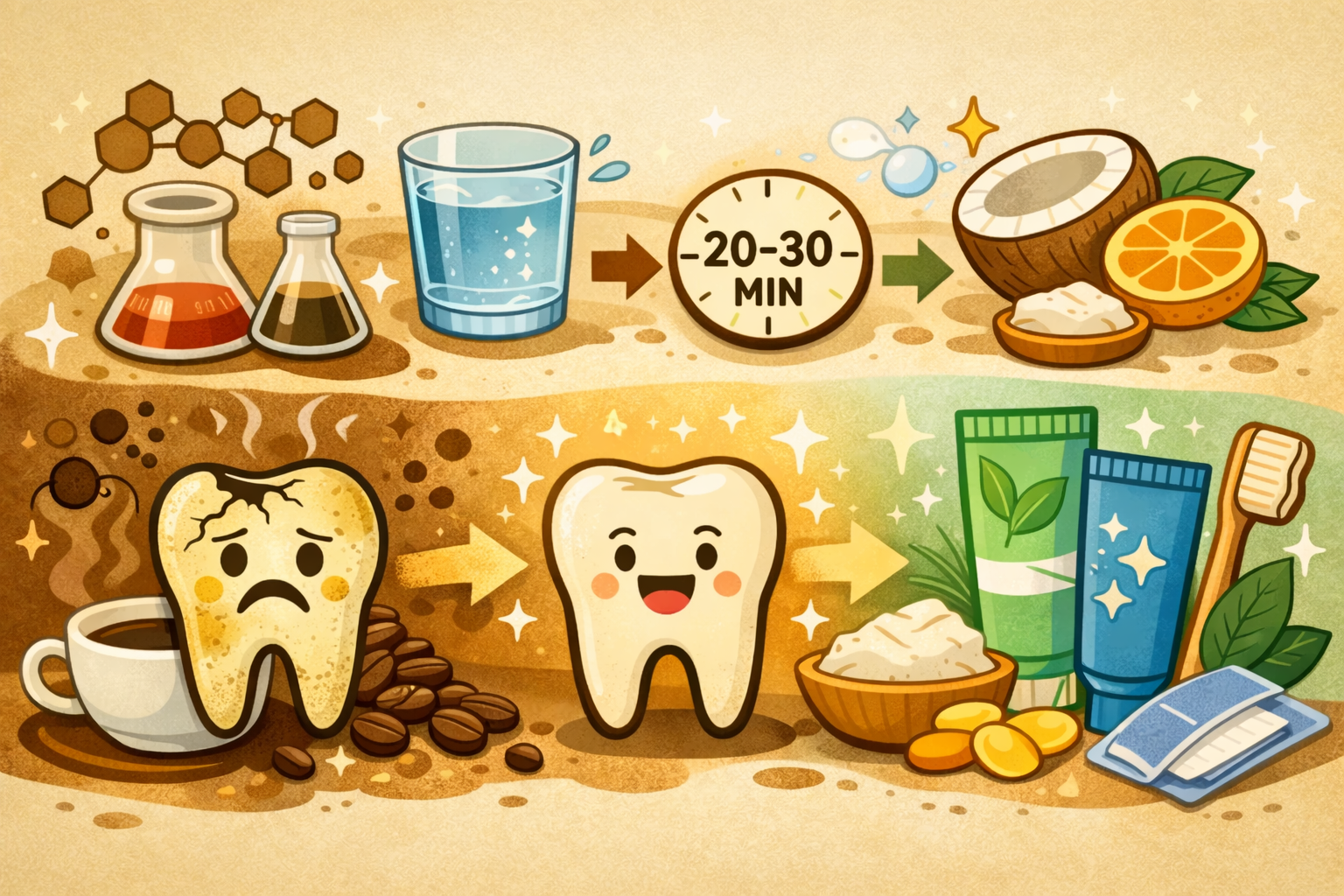
After coffee or wine, rinse with water to reduce pigment contact and rebalance oral pH.
When to See a Dentist

If you regularly use high-quality, non-toxic oral products and your discoloration persists, your dentist can check for underlying causes, such as enamel loss or internal staining, which may require professional treatment.
Final thoughts
A yellow smile is not always a sign of poor oral hygiene, but it can be a sign of enamel wear, dietary changes, or a pH imbalance. The solution is to brush more intelligently rather than more forcefully.
You can switch to a dentist-formulated, microbiome-safe regimen that will support a whiter, stronger, and naturally healthier smile without compromising any of your natural health with products like SAINT Mint Toothpaste, SAINT Whitening Strips, and SAINT Floss.
Small shifts. Big shine. That’s the SAINT way to brighter teeth.
FAQs
1. Why are my teeth still yellow even though I brush twice a day?
Brushing only removes surface debris. Deeper stains from diet, enamel wear, or pH imbalance require gentle whitening and remineralizing care.
2. Can enamel grow back after thinning?
Not exactly, but nano-hydroxyapatite (n-HA) in products like SAINT Mint Toothpaste can help restore mineral density and appearance.
3. Are natural whitening ingredients effective?
Yes! Ingredients like coconut oil, white turmeric, and bromelain naturally lift stains without sensitivity.
4. Should I avoid coffee and tea entirely?
You don’t have to. Just rinse your mouth afterward and use a pH-balanced toothpaste to protect your enamel.
5. How often can I use whitening strips?
Saint Whitening Strips are gentle enough for regular use, perfect for touch-ups or on-the-go treatments.
6. What’s the safest way to whiten sensitive teeth?
Choose products that support enamel health while whitening effectively. Nano-hydroxyapatite, based formulas can help strengthen enamel and reduce surface stains, while properly formulated peroxide can also be a safe option when used at the right concentration. For sensitive teeth, it’s best to look for gentle, well-balanced whitening ingredients.